That Could Be Your Kid…
Extremism Is Adapting in the Background — Education to Survive Without Safeguards Must Be the Focus of 2026
---
Opening Frame
A teenager sits in their room.
Phone in hand.
No warning signs. No “type” you’d recognise.
They’re not looking for extremism.
Extremism is looking for them.
And in 2026, it’s not loud.
It’s not obvious.
It doesn’t arrive as hate — it arrives as
belonging, answers, identity, and attention.
> That could be your kid.
---
Context — What’s Actually Changing
Across the United Kingdom, the pattern isn’t just about ideology anymore.
It’s about:
•Loneliness being harvested
•Frustration being redirected
•Algorithms rewarding emotional extremes
•Private channels replacing public radicalisation
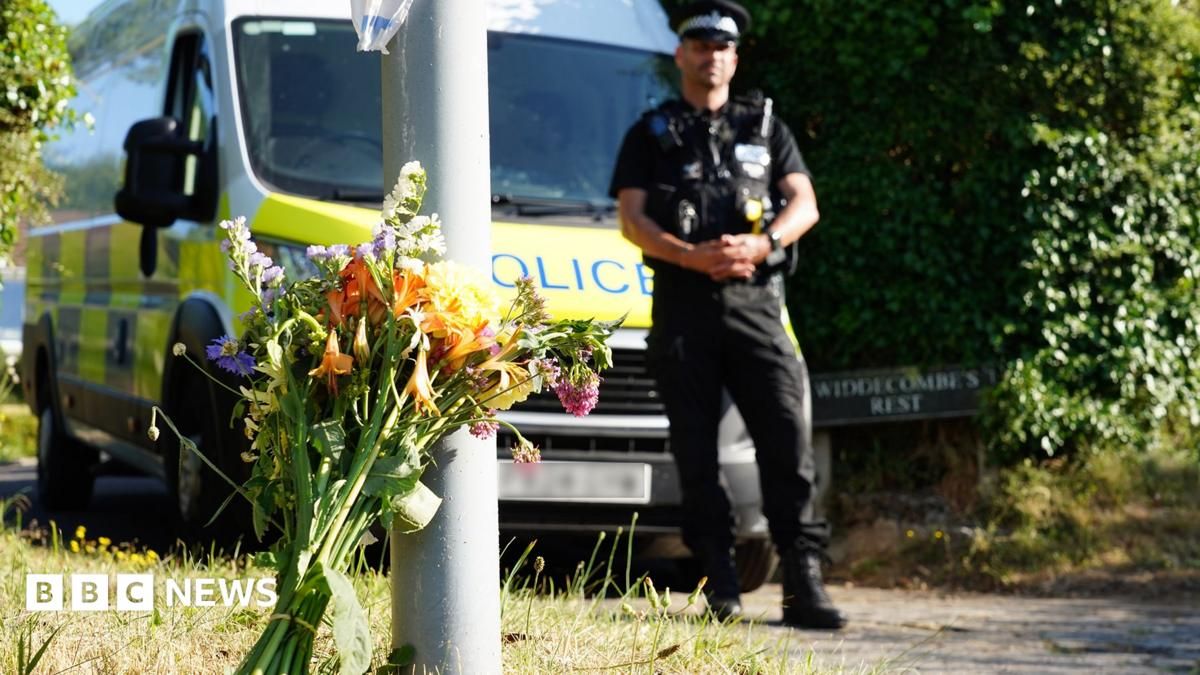
When stories appear in outlets like BBC News, the narrative often lands here:
> “He was radicalised… he became the problem.”
But that framing misses the wider system.
Because by the time someone is “the problem,”
they’ve already been processed by one.
---
10 Key Stories (Reality Snapshots Across the UK)
1. The Quiet Drift
A 14-year-old starts watching harmless content.
The algorithm nudges slightly edgier material.
Within weeks, their feed becomes an echo chamber.
No one notices — because nothing looks extreme at first.
---
2. The Identity Hook
A young person struggling with purpose finds a group online.
They’re told:
•“You matter.”
•“We understand you.”
Then slowly:
•“Here’s who’s to blame.”
---
3. The Meme Pipeline
Extremism no longer starts with speeches.
It starts with:
•jokes
•irony
•“just memes”
Humour lowers defences.
By the time it turns serious,
the ideas already feel normal.
---
4. The Private Channel Shift
Public platforms clamp down.
Extremism moves to:
•encrypted chats
•invite-only servers
•closed communities
By the time authorities see it, it’s already matured.
---
5. The “He’s the Problem” Trap
A case hits the news.
Focus lands entirely on the individual.
Little focus on:
•what content they consumed
•who guided them
•which systems enabled it
The cycle resets.
---
6. The Algorithm Advantage
Platforms optimise for engagement.
Extremism benefits because:
•outrage spreads faster
•certainty feels stronger than nuance
•controversy keeps users hooked
This isn’t always intentional — but it is predictable.
---
7. The Isolation Amplifier
Offline struggles:
•bullying
•financial stress
•lack of opportunity
Online actors step in and
reframe that pain as a narrative.
---
8. The “Normalisation Phase”
Before anything extreme happens, there’s a stage where:
•language shifts
•empathy reduces
•“us vs them” thinking grows
This phase is often invisible to parents, teachers, and systems.
---
9. The Safeguard Gap
Reporting tools exist.
Moderation exists.
But:
•it’s inconsistent
•it’s reactive
•it’s often too late
Young people are expected to navigate systems that
aren’t built to protect them early enough.
---
10. The Survival Blind Spot
Most education focuses on:
But not:
•how to recognise manipulation in real time
•how to exit safely
•how to question emotionally persuasive content
This is the biggest gap.
---
The Core Problem
We are still treating extremism like a
content issue.
It’s not.
It’s a
systems + psychology issue:
•systems that amplify
•environments that isolate
•actors that exploit
---
What Needs to Change (2026 Focus)
1. Governments — Move Earlier, Not Louder
•Shift from reaction → prevention
•Invest in digital literacy as survival training
•Regulate algorithmic risk, not just content
---
2. Digital Companies — Design for Safety, Not Just Growth
•Identify behavioural radicalisation patterns early
•Reduce recommendation loops that intensify extremes
•Build friction into escalation paths (not endless scroll)
---
3. Education — Teach Survival, Not Just Awareness
Young people need to learn:
•how manipulation works
•how emotional hooks are used
•how to pause before belief forms
•how to leave safely without backlash
> Not “don’t click this”
> but “here’s how to think when you do”
---
4. Parents & Communities — Recognise the Subtle Signs
It’s no longer:
•obvious symbols
•clear statements
It’s:
•language shifts
•humour changes
•withdrawal into digital spaces
---
Final Message
This isn’t about fear.
It’s about reality.
Extremism in the United Kingdom isn’t just growing —
it’s evolving quietly, efficiently, and persistently.
And until we shift focus:
•from blame → understanding
•from reaction → prevention
•from awareness → survival
we will keep seeing the same headline:
>
“Another young person… another case… another shock.”
---
Closing Line
That could be your kid.
So the real question for 2026 is:
> Are we finally going to prepare them —
> or just keep reacting when it’s too late?
























































































COMMUNITY
People