














































































X

TXTWRK


PERSONAL
LinkingLinking
FollowingFollowing
ConnectionsConnections
MessagesMessages
NotificationsNotifications
DISCOVER
SearchSearch
ReelsReels
CalendarCalendar
MapMaps
Work
NotesNotes
NeedsNeeds
ContributionsContributions
TimetableTimetable
IntelIntel
To DosTo Dos
ChecklistsChecklists
SavesSaves
ScrapboardScrapboard
LinksLinks
Monetisation
CoinsCoins
AdvertisingAdvertising
SubscriptionSubscription
DonationDonation
Log BookLog Book
Organisation
BusinessBusiness
AddressesAddresses
InvestorInvestor
FinancialsFinancials
Quarterly'sQuarterly's
SharesShares
Server
ServerServer
WorkspaceWorkspace
Code PlaygroundPlayground
Learn More
AboutAbout
AIDAID
DataData
DevDev
Web ImpressionsImpressions
ToolsTools
EducationEducation
SafetySafety
ReaderReader
My Content
Profile Image
Login

My Addresses

×
Addresses
+
Character Profiles
+
Info & Cover
+
Timetables
+
Favorited by... X
Link Clicks X
All comments... X
More | 1/5

The ImFashion Group Verified Website

@ImFashion

City of Derby, Derby, Derbyshire, East Midlands, England, United Kingdom, Europe

The ImFashion Group features our clothing brands exclusively via ImFashion.co.uk

Invest via £ImFashion


Brand
24/02/2021
Learn more about me 𓇻
▦ Photos
▦ Videos
▦ Covers
Active: 5 days ago
Safety


LOCAL PULSE

Profile Signals

Loading…
Loading profile signal…

Loading latest public Local Pulse signal…

Financials Financials
Quarterlys Quarterlys
Shares Shares
Notes Notes
Needs Needs
Contributions Contributions
Timetable Timetable
Intel Intel
To Dos To Dos
Notes Reel


Happening & Service
Happening Now and service updates connected to this profile


Connections
These are pages I added


Intel Pinned

Transparency of Operations
To make things even clearer, we are registered as 'The ImFashion Group Limited' in the UK (16209144) & currently operate online in our startup phase. We operate via the following domains: We monitise via the following sites: We operate the following social media: We operate the email addresses:
•Support@DesignerB.co.uk
•Support@Designer.baby
•Support@DesignerG.co.uk
•Support@ImFashion.co.uk
•Support@Jheeze.com
•Support@Streamer.clothing
We operate the phone numbers:
•447984582170
•0800 line coming soon
We operate the following addresses:
•6 Kingsmead Walk, DE1 3SZ (Temporary Address)
*Currently undertaking changes from postal/office address to HQ address *PO BOX coming soon & we focus on written communications We operate PayPal via our website & on TXTWRK We keep this information up to date and concurrently here at TXTWRK via our intel reels - Last updated: 11/04/2026 16:12
Latest Intel · 2026-04-11 15:20:36


Loading media...
DOUBLE TAP TO OPEN
+Assets
+Media
•Logos
+Business
•Applications
•Contact & Links
•Our Journey
+Education
+Health
•Materials
+Previews
+Prototypes
+Designer Baby
•Womens
•Jheeze
•Streamer
+Shop
+Outfits
•Men
•Women
+Prototypes
+Headwear
•Snapbacks
•Trainers
+Unisex
+Tracksuits
+Prototype
•ImFashion
+Volunteer
•Give Feedback
+Work
+Checklists
•Business Development
•Textiles Development
•Web Development


@ImFashion


⛶
Science
Neutral
Part of @DerbyCommunityHub!Events: Themes: Threads of Knowledge! We support research & development of new materials and production of clothing.

Forever Chemicals need to be understood better, from interaction with these fibres to the chemicals that run off the ground to make them. Continue reading this post to learn what you can do about it today...

---

You can read more via https://www.bbc.co.uk/news/articles/cz9vz249keno

Or you can watch the BBC Documentary via https://www.bbc.co.uk/iplayer/episode/l0057xw0/how-forever-chemicals-affect-your-health

---

Story continues...

---

As part of our ongoing coverage at @ImFashion via TXTWRK.com, we're diving deeper into this critical and evolving theme in fashion and textiles. The original BBC article (linked above) highlighted how PFAS—per- and polyfluoroalkyl substances, known as "forever chemicals"—are commonly used in items like school uniforms for their water- and stain-resistant properties. These persistent compounds don't break down, accumulating in bodies, water, soil, and wildlife, with established links to serious health concerns including certain cancers, thyroid issues, and more.

Fast-forward to today (February 3, 2026): The UK Government has just unveiled its first-ever national PFAS Plan—a coordinated framework to better understand sources, spread, and exposure risks while pushing for reduced use and safer alternatives. Key actions include ramped-up environmental testing (e.g., more monitoring of water, soils, and coastal areas), a forthcoming consultation on statutory limits for PFAS in England's public drinking water, and steps to align more closely with EU regulations by December 2028, which aim to restrict non-essential uses. While not a full ban yet, it signals progress toward protecting public health and the environment—though critics argue it's "crushingly disappointing" compared to bolder moves in places like France (banning PFAS in clothing/cosmetics from 2026) and Denmark.

Our take? This is a pivotal moment for the fashion industry to accelerate change. PFAS provide functional perks, but the long-term costs to human health (via skin contact and bioaccumulation) and the planet (via persistent pollution) are unacceptable. We want—and believe in—a future of better production, radical transparency, consumer empowerment, and practical care guidance so people can make informed choices about what touches their skin.

Better production & innovation: The phase-out is driving real advancements. Shift to proven PFAS-free alternatives like:
•Water-based or silicone-based repellents for effective water resistance without fluorine.
•Bio-based/plant-derived coatings (e.g., from renewable sources) for hydrophobic performance.
•Advanced durable water repellent (DWR) technologies, including fluorine-free options from innovators like Gore-Tex's newer membranes.
•Tightly woven natural fibers or mechanical treatments that achieve repellency naturally.
Brands and suppliers are investing heavily—many outdoor and technical apparel companies have already transitioned, proving performance doesn't have to suffer. Supply chains are cleaning up, and costs are dropping as adoption grows. We call on more manufacturers to commit fully—no more "essential use" excuses where viable swaps exist.

Raising awareness & smarter shopping: Scrutinize labels and marketing. Red flags include claims like "waterproof," "stain-repellent," "dirt-proof," or ingredients with "fluoro," "perfluoro," or "PFC." Seek out "PFAS-free," "PFC-free," or certifications like Bluesign-approved. Prioritize natural/organic fibers (e.g., organic cotton, wool, linen, TENCEL™) that often skip these treatments. Look for brands phasing out PFAS: Patagonia, Arc'teryx, The North Face, Adidas, Outerknown, Pact, Boody, and others lead here—many now offer fully PFAS-free lines. Remember, these chemicals can migrate to skin, so what you wear matters for daily exposure.

Better guidance on fibre care & washing practices: Even with PFAS-free pieces, habits reduce microfiber shedding, chemical release (if any residues remain), and environmental impact:
•Wash new garments before first wear to rinse manufacturing residues.
•Wash less frequently—spot clean or air out when possible to extend life and cut water use.
•Use cold water cycles (reduces shedding and energy).
•Try tools like Cora Ball, Guppyfriend bags, or filtering laundry systems to capture microplastics/PFAS particles before they enter waterways.
•Skip fabric softeners and high-heat dryers (they increase release); air dry instead.
•Choose PFAS-free or eco-labeled detergents—avoid those listing fluoro compounds.
These steps protect your clothes, your health, and rivers/oceans alike.

The momentum is building—regulations are tightening, alternatives are scaling, and awareness is rising. Let's turn knowledge into action: demand transparency, support innovators, and rethink our wardrobes. What PFAS-free changes have you made? Drop your swaps, tips, or questions below—we're in this thread together! #ThreadsOfKnowledge #PFASFree #SustainableFashion #ForeverChemicals @DerbyCommunityHub @ImFashion

What’s one small step you’ll take today to reduce PFAS exposure from your clothes & textiles?
Select up to 1
0 people have voted
Check labels & swap one PFAS-free item
0 votes
Wash new clothes before wearing + cold cycle
0 votes
Use Guppyfriend/Cora Ball bag next load
0 votes
Air-dry clothes instead of tumble dryer
0 votes
Research one brand's PFAS policy & share!
0 votes
Cast Vote
⛶
Neutral
Thanks to @Yoycol for our recent batch https://TXTWRK.com/viewPost.php?id=5665 - You've fulfilled our dreams in seeing how our beautifully crafted logos meet the material, and for the most part, we're impressed, even if we're not developing to the standard we desire for our customers, we had to start somewhere, to see what it means to have our logos on garments, to feel the experience and to understand what it means for our future of fashion, where startups will sample on demand services in their early stages.

Working with custom print on demand services are how a lot of startups experiment, prototype, etc, before running their own operations or manufacturing with other organisations. They might not get it all right, but their baseball caps are pretty decent at £5-6 each to manufacturer and deliver in a mini batch, which have gone on to make people feel happy.

We thought it was important to talk about this experience, alongside highlighting our models towards sustainability and custom made clothing. We do have plans to make our own app, where you'll be able to customise our clothing, choose the types of patches/badges, trims, etc and get custom sustainable and fashion fit clothing.

It's all happening, in the stars, in the background, in our future of fashion, because www.ImFashion.co.uk

Video Thumbnail
⛶
Neutral
China's dominance in global polyester production, exceeding 65% of worldwide output by 2023 with annual figures rising from around 35-38 million metric tons in 2019 to a projected 48 million in 2025, has led to market flooding through cheap exports driven by overcapacity, low costs, and efficient supply chains, making items like £30 tracksuits more affordable than cotton equivalents despite sustainability issues; this surge, notably amplified in 2017 with a 58% increase in recycled polyester usage and heightened global imports amid rising oil dependency, contributes significantly to microplastic pollution as synthetic fibers release thousands of microfibers per wash or wear, entering ecosystems and human bodies, causing skin irritations, rashes, and potential chemical leaching; Western markets accept this due to economic incentives like halved production costs, consumer demand for cheap fast fashion, and weak anti-dumping measures despite trade tensions; consequently, it exacerbates new health problems including inflammation, respiratory issues, endocrine disruptions, and cancers, with microplastic exposure rising sixfold since 1990 and potentially mimicking or contributing to COVID-like symptoms noticed in rising NHS England cases since 2017, aligning with increased synthetic fabric proliferation.

Production trends: From 2019-2025, Chinese polyester output grew steadily, with exports surging 15-20% cumulatively, peaking at 18% YoY in H1 2024 but slowing to 9% by August 2025 due to oversupply and domestic economic slowdowns.


2017 market shift: Marked by 58% growth in recycled polyester, US imports up to 68.9 million pounds of textured yarn, and industry conferences highlighting Asian demand, while synthetics consumed 342 million barrels of oil annually.


Microplastic impact: Textiles contribute 34.8% of primary microplastics; polyester sheds up to 400 fibers per gram via friction, more in blends, persisting in oceans and soil without biodegrading.


Skin contamination: Non-breathable polyester traps moisture leading to eczema, rashes; chemicals like antimony migrate, causing allergies or endocrine issues, though evidence is mixed.


Western acceptance: Driven by low wages, weak yuan, and fast fashion profits; polyester costs half of cotton per kilo, enabling undercutting despite tariffs and occasional minimum import prices.


Health links: Microplastics cause oxidative stress, lung inflammation mimicking COVID symptoms; associated with cancers, infertility, metabolic disorders; exposure up sixfold since 1990, with potential long-term deaths surpassing COVID.


--------------------
Solving the problem...

To combat the escalating health and environmental crises driven by China's polyester market flooding, immediate action is essential to mitigate microplastic pollution and its associated health risks, such as skin irritation, respiratory issues, and long-term diseases like cancer. Governments, businesses, and consumers must unite to reduce reliance on cheap synthetic textiles by enforcing stricter import regulations, promoting sustainable alternatives like organic cotton or hemp, and investing in advanced filtration systems to capture microfibers from washing machines. Raising awareness about polyester's hidden costs—through campaigns highlighting its sixfold increase in microplastic exposure since 1990 and potential links to rising NHS England cases since 2017—can drive consumer demand for eco-friendly fabrics and push brands to prioritize sustainability over profit, fostering a healthier, less polluted future for humanity.

Regulatory action: Western governments can impose higher tariffs or anti-dumping measures on Chinese polyester imports, as seen in limited 2024-2025 trade policies, to curb market flooding and incentivize local, sustainable production.


Sustainable alternatives: Scaling up production of natural fibers (cotton, hemp) could cut polyester demand; hemp, for instance, uses less water and biodegrades, unlike polyester's 342 million barrel oil dependency in 2017.


Technological solutions: Widespread adoption of microfiber-catching laundry filters (e.g., external devices or in-machine solutions) could reduce the 34.8% of microplastics from textiles entering waterways.


Consumer awareness: Educational campaigns, leveraging data like 400 fibers per gram shed from polyester, can shift preferences toward breathable, non-toxic fabrics, reducing skin and health risks.


Industry accountability: Fast fashion brands should face pressure to adopt recycled polyester (despite higher shedding) or circular recycling systems, addressing the 65%+ Chinese dominance in 2023.


Health research: Increased funding for studies on microplastics’ links to respiratory, endocrine, and cancer risks—potentially worse than COVID long-term—can guide policy and public health responses.

Community Library: Gif
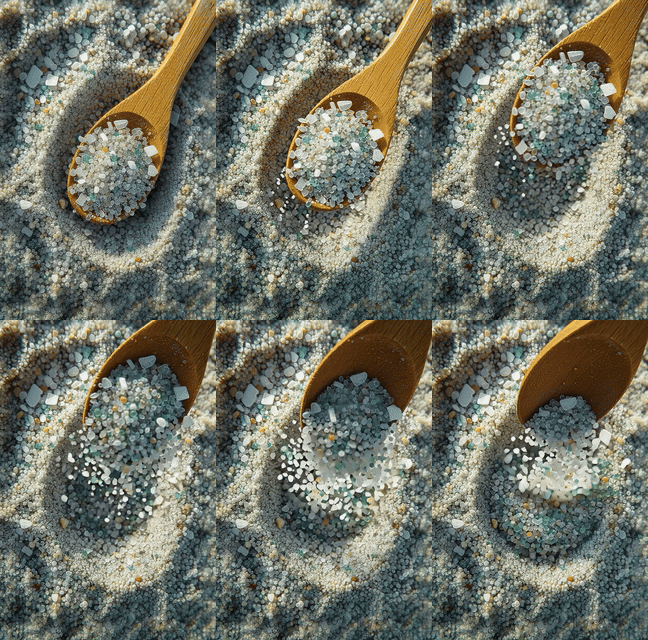
Microplastics, Fashion, Plastic Pellets
⛶
Neutral
Textiles Development Checklist (Apply now & help us shape the future of fashion; do research & recommend ideas)

Department: Innovation + Product Development

Division: ImFashion™ Fabric Series

Purpose: Guide for internal teams and volunteers to collaborate on R&D, prototyping, and testing new sustainable textile technologies.


Lets start with an example case to help us get started on this checklist... This is your chance to help shape our checklist too, tell us what groups & items we should have too in our General Discussion!

THE IMFASHION GROUP PRESENTS
ImFashion™ Fabric Series: The Future of Performance Textiles

Category: Technical Apparel Innovation

Project Phase: Initial R&D + Tech Pack Development

Brand Owner: The ImFashion Group (UK), with six registered trademark labels

Target Uses: Tracksuits, uniforms, activewear, and B2B textile licensing


Our Mission

In a marketplace saturated with synthetic-heavy, environmentally harmful fabrics, the ImFashion™ Fabric Series offers a revolutionary alternative. Built for creators, athletes, and innovators who demand performance, health, and sustainability, our textiles combine cutting-edge fiber blends with unmatched durability and eco-conscious engineering.


Why the ImFashion™ Fabric Series Stands Apart

Human-Centric: Hypoallergenic, breathable, and naturally antibacterial without harsh chemical finishes

Planet-Friendly: Made from biodegradable and recycled fibers using a closed-loop, toxin-free process

Ultra Durable: Maintains structure and performance over 1000+ wash cycles, reducing waste and microplastic release


Initial Fabric Formula (ImFashion™ A1 Prototype)

55% TENCEL™ Lyocell / 35% Recycled Polyester (rPET) / 10% Biodegradable Elastane

Fabric Weight: 240-260 GSM (midweight technical knit)

Knit Type: Double-knit interlock or mesh-backed jersey

Stretch Recovery: 95% after 30 mins rest (multi-directional)

Moisture Wicking Rate: < 3 seconds (lab-tested)

Antibacterial Rating: 99.9% reduction (ISO 20743 standard)

Wash Durability: 1000+ cycles, resilient under wear/stress

Certifications Sought: OEKO-TEX, GRS, FSC, Cradle2Cradle


Application Strategy

ImFashion™ Tracksuit Launch (Q4 2025) — Showcasing flagship A1 material
Textile Licensing & Co-Branding — Empowering sportswear and wellness brands
Investor-Backed R&D Whitepaper — Validating claims with lab-tested data
Product Line Expansion — A2, G1, and seasonal variants following market insights


Strategic Positioning

The ImFashion™ Fabric Series is a scalable, future-facing asset rooted in material science, health-conscious design, and global sustainability goals. A core innovation powering the growth of The ImFashion Group’s IP-rich brand ecosystem.

Next Step: Begin prototype sampling by June 2025. Complete lab tests and investor pitch decks by August. Prepare IP registration strategy and explore EU/US licensing pathways.

© 2025 The ImFashion Group. All rights reserved.

Web Impression

Textiles Development

Activity: Textiles

Location: Online
0/30 complete
1 comment
1 topic

ⓘ Click a checklist item & apply

☐
Welcome
(0)
☐
Discussion
(0)
☐
Apply to All
(0)

Archive

☐
Archived Item
(0)

Assets

☐
Digital
(0)
☐
Physical
(0)
☐
Marketing
(0)

Campaigns

☐
Events
(0)
☐
Meetings
(0)
☐
Workshops
(0)
☐
Communities
(0)

Entities

☐
People
(0)
☐
Organisations
(0)
☐
Places
(0)
☐
Networks
(0)

Intelligence

☐
Research
(1)
☐
Requirements
(0)
☐
Formats
(0)
☐
Resources
(0)
☐
Standards
(0)
☐
Market
(0)
☐
Trends
(0)

Production & Procure

☐
User Experiences
(0)
☐
Infrastructure
(0)
☐
Development
(0)
☐
Integrations
(0)
☐
Testing
(0)
☐
Collections
(0)
☐
Clothing
(0)
☐
Materials
(0)


⛶
Neutral
Lessons from our first polyester outfit
Cotton has better durability & more
We pledge to more sustainable practices in future, even in our development phase as a group of labels in formation.

Polyester tends to fray and develop scruffs (pilling) after a few wears due to its synthetic nature. This happens because polyester fibers are relatively short and are prone to breaking or tangling with friction.

Additionally, static electricity can cause these broken fibers to stick together, creating visible fabric wear.


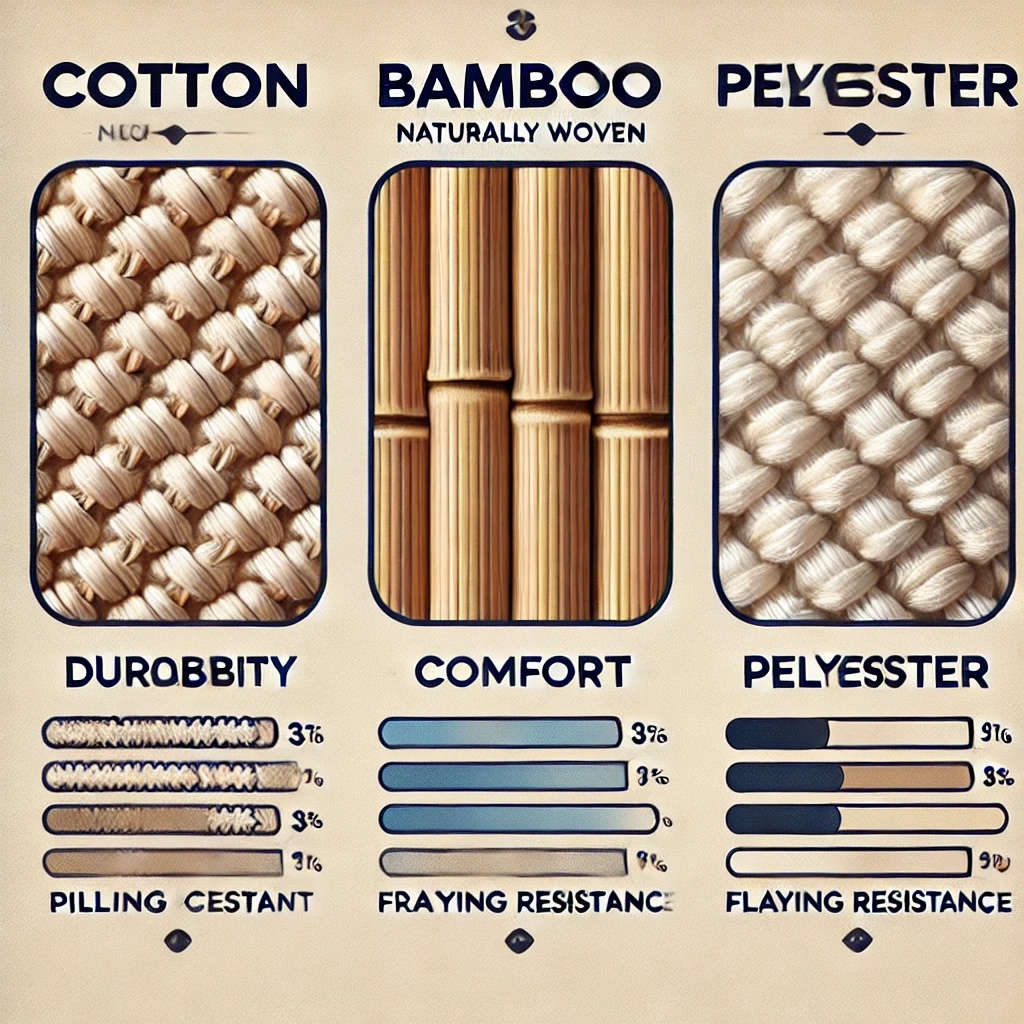
Why Cotton and Bamboo Outperform Polyester in Durability

1. Fiber Structure & Strength

• Cotton: Cotton fibers are naturally longer, smoother, and more interwoven, reducing the chances of fraying. Because cotton is less prone to static cling, fibers don’t stick together or pill as easily.

• Bamboo: Bamboo fabric is derived from bamboo pulp and is known for its long, smooth fibers. It has a higher tensile strength than cotton, making it even more resistant to wear and tear.

• Polyester: Made from plastic-based materials, polyester has short fibers that break down over time, leading to scruffing, pilling, and a worn-out appearance.


2. Moisture Management

• Polyester traps heat and moisture, weakening the fibers over time, especially in high-friction areas like underarms or thighs.

• Cotton and bamboo absorb moisture and wick it away, keeping the fabric stronger for longer.


3. Softness & Comfort

• Polyester can become rough and irritating over time as the fibers break down.

• Cotton and bamboo remain soft, as their fibers do not degrade as quickly.


How Many People Wear Cotton vs. Full-Polyester Tracksuits?

Cotton-based clothing is far more popular than polyester-only outfits, especially for casual and athletic wear.

• The global cotton textile market dominates because cotton is breathable, durable, and comfortable.

• Polyester tracksuits are often used in athletic settings because of their stretch and moisture resistance, but they are less common for everyday wear due to discomfort and durability issues.

• Blended fabrics (cotton-polyester mixes) are common, as they balance polyester’s stretch and affordability with cotton’s comfort and durability.

🗖 VIEW