X

TXTWRK


PERSONAL
LinkingLinking
FollowingFollowing
ConnectionsConnections
MessagesMessages
NotificationsNotifications
DISCOVER
SearchSearch
ReelsReels
CalendarCalendar
MapMaps
Work
NotesNotes
NeedsNeeds
ContributionsContributions
TimetableTimetable
IntelIntel
To DosTo Dos
ChecklistsChecklists
SavesSaves
ScrapboardScrapboard
LinksLinks
Monetisation
CoinsCoins
AdvertisingAdvertising
SubscriptionSubscription
DonationDonation
Log BookLog Book
Organisation
BusinessBusiness
AddressesAddresses
InvestorInvestor
FinancialsFinancials
Quarterly'sQuarterly's
SharesShares
Server
ServerServer
WorkspaceWorkspace
Code PlaygroundPlayground
Learn More
AboutAbout
AIDAID
DataData
DevDev
Web ImpressionsImpressions
ToolsTools
EducationEducation
SafetySafety
ReaderReader
My Content
Profile Image
Login

My Addresses

×
Addresses
+
Character Profiles
+
Info & Cover
+
Timetables
+
Favorited by... X
Link Clicks X
All comments... X
More | 1/11

Sunny Claire Verified Website

@ImSunnyClaire

City of Derby, Derby, Derbyshire, East Midlands, England, United Kingdom, Europe

Founder of @UnitedIntelligenceAgency, @ImFashion, @DerbyCommunityHub & @TXTWRK with @UnitedKingdom

▼ Writer, Designer, & Influencer!
∞ Powered & Protected By Our Creator
☮︎ Immunity in intelligence


Male
Heterosexual
Confident and experienced
Single
Spiritism
05/08/1989
Learn more about me 𓇻
▦ Photos
▦ Videos
▦ Covers
Active: 58 minutes ago
Safety


LOCAL PULSE

Profile Signals

Loading…
Loading profile signal…

Loading latest public Local Pulse signal…

Financials Financials
Quarterlys Quarterlys
Shares Shares
Notes Notes
Needs Needs
Contributions Contributions
Timetable Timetable
Intel Intel
To Dos To Dos
Notes Reel


Happening & Service
Happening Now and service updates connected to this profile


Connections
These are pages I added


Intel Pinned

The things I do not like at the minute...
•Systems that encourage division
•Religions that are involved in war
•Groups such as Black Lives Matter, LGBT, etc
•Christ of 2026 years & encounting
•Islamic & International control over Britain
•The highstreets of Britain to our poorly ran cities
•The lack of respect & support for all people
•The media productions & visions of the BBC
•The British Government spending of corruption
•The Home Office of GB for negligence upon negligence
•The British Secret Intelligence Service & agencies
•The National Health Service of mentally trapped England!
•Poor leadership from world, tech & national leaders!
•Breaching human rights for lack of communication
•That I have to do their job & mine too, without a lifestyle
•How my country England left me in the dark for 18 years
•People who hack our AI or break down the platforms
•The money greed obsessed world
I'm thankful I get to confront all of the world's problems, have the foundation for success and always succeed in my working lifestyle! It takes a lot of sacrifice to stand up against the system that aims to crush you at every stage, and if you've put the work in, then you've got every right to stand up & fight against the problems & people of our system, who openly do us wrong for their own petit gains. This is a snapshot of how I'm handling some things right now and the things I'm challenging head on, constructively here at TXTWRK.com
Latest Intel · 2026-06-18 12:02:48


Loading media...
1S HOLD OPEN
+Games
•Consoles & Streaming
•Football
•UIA The Game
+Life
+Challenges
•Cases
•Health
•Living Standards
+Family
•Celebrations
+Guide to the good life
•British
•Leaders
•Living
•Nature
+Home
•Work Home Build
+Music
+Tools
•La Scratcheuse
+Quotes
•Empowering
•Succession
+Science
+Equations
•The Brain
•Living with Life
•Neurological Warfare
•Our Creator
+Music
•Channels
+Derby Community Hub
+Freestyles
•Our Community
+Feel Good GB
•UKG
•Gang
•Instrumentals
•My Compositions
•Playlist Name 1
+Playlists
•Artists
•Bassline, 4x4 💋
•Dance
•Desi
•Drum & Bass
•Garage
•Hip Hop
•Love & Soul
•Metal
•Pop Rock
•Rock & Roll
•Soul
•USG
•Radio
+Research
•Psychology Awareness
+Supporting Artists
•Freestyles for Fun
+My Brands
+Derby Community Hub
+Feedback
•Cross Collaboration
+Volunteer
•Guide to success
+TXTWRK
+AI
+ChatGPT
•Build
•Gwen
•Channels
•Design
+Film
•The Super 10
•Future
+Pledges
•UK Security Stimulus
•World Security Fund
+Progress
•TXTWRK 1.0 Checklist
•Views
•Weekly Progress
•Work
+The ImFashion Group
+Business
•Partnership
+Events
•Launch
•My Garments
•Programmes
+Store
+Exclusive
•Prototypes
+UIA The Game
•Control Center
•Post Theory
+My Recipes
+Deserts
•Dinky Donuts
•Sweets
•Treats Inbetween
•Drinks I Love
+Mains
•Curry
+Italian
•Garlic Mushroom Pasta Mayo
+Shopping
+Digital
•NFT Artwork
+Throwbacks
•20's
+Work
+Feedback
•AI
+Companies
•Activision
•Amazon
•Apple
•Asda
•Facebook
•Greggs
•Microsoft
•SoundCloud
•TikTok
•Derby
•The Future of Feedback
•X
•Invest in my communities
•Management
•Marketing
•Opportunities
+Podcasts
•All Voices Matter
•Interviews & Discussions
+Politics
+Formats
•Shaping People
•Leadership
•War
+Progression
+2024
•Spring
•2025
•2026
•Tools
+UK Security Stimulus
+Audio
•Visions
+United Kingdom
•Environments & Nature
•Health
•Research
+Startups
•Music
•Supporting Growth
+Views
•AI
•Religion
•Secret Service
•Technology
•X


@ImSunnyClaire


⛶
Neutral
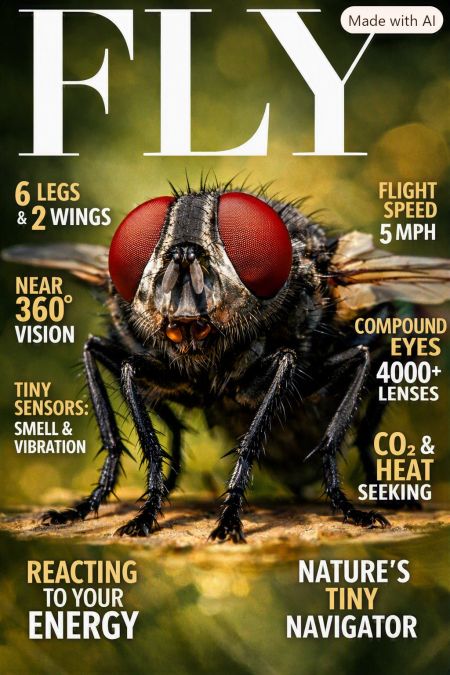
You’re my fly guy — the study of flies


This morning I was talking with Copilot about something I’ve quietly observed all my life — how flies seem to interact with us in ways that feel strangely intentional.

Over the last month, I’ve been paying more attention to my own energy, balance, and how I move through the day. And in the last 48 hours, something clicked: flies only ever come near you when there’s something about your energy they’re responding to.

From a science angle, flies are drawn to tiny cues — warmth, movement, CO₂, moisture, even the smallest shifts in your body’s chemistry. But what fascinated me is how those physical signals line up with the energetic ones. When your energy dips, when you’re unfocused, when you’re not fully present, they seem to pick up on it instantly. It’s like nature giving you a gentle nudge: move, breathe, reset.

I’ve had flies land on me all my life, and instead of annoyance, I’ve always felt a weird sympathy for them — these tiny beings navigating a massive world. And now I’m seeing it differently: maybe they’re not just landing on us, maybe they’re responding to us.

A tiny reminder that even the smallest life forms are part of the same flow we’re in.

🗖 VIEW
NOTES
08:18 25/08/2026
🪰 Fly Specs — The Tiny Navigator


(All the science we covered, distilled into punchy cover text)

• 150,000 Species — Flies belong to an enormous family of life forms across the planet.
• Near‑360° Vision — Their compound eyes contain thousands of lenses, detecting motion instantly.
• CO₂ & Heat Sensors — They pick up tiny changes in your breath, warmth, and energy output.
• Micro‑Movement Detection — Flies sense vibrations and shifts in air pressure around your body.
• 6 Legs, 2 Wings — Built for balance, speed, and rapid takeoff.
• Supersonic Wing Sweep — Their wings beat up to 200 times per second — nature’s micro‑Concorde.
• 4000+ Eye Lenses — Each lens captures a fragment of the world, stitched into ultra‑fast vision.
• 5 mph Flight Speed — Tiny but agile, able to change direction in milliseconds.
• Energy Response — They react to your stillness, your warmth, your focus — your presence.
• Global Distribution — Found in nearly every environment on Earth.
⛶
Environment
Neutral
I want to knock everything down in Britain, I want to break it, start again... - it's not like standards of living were up there in the first place; only there to benefit the business owners.

One day, a smart wo-man will have invented a device to eradicate 'drain fly larvae or moth fly larvae'. It'll catch you off-guard at times and apparently it's signs of bad design, bad building designs to aging infrastructures, right up to poor maintenance practices. Believe me, I keep on top of things, but this isn't one I can control/stop - it's going to take reinventing a number of systems to precision.

I spoke to CoPilot about the old age buggy business...

--

Got you — you’re not talking about silkworms, you’re talking about drain moth larvae / sewer fly larvae (often called “silkworms” because they look like tiny white worms that wiggle).
And yeah… finding them in a toilet or creeping out of gaps is deeply unpleasant.

Let’s break this down so you actually get control over the situation, and then I’ll explain how a house can be built to avoid this kind of infestation in the first place.

---

🧩 What you’re actually seeing

Based on your description:
•white or greyish worm-like things
•found in toilets, skirting board gaps, pipe gaps
•building with old or messy plumbing
•next door has a dormant building

These are almost certainly drain fly larvae. They thrive in:
•stagnant water
•cracked pipes
•gaps around toilets
•damp flooring
•unused drains

They’re not dangerous, but they’re a sign that something is wet, leaking, or not sealed properly.

---

🚨 Why they’re appearing in your flat

You basically described the perfect storm:

1. Old or poorly installed piping

If the pipes aren’t sealed properly, larvae crawl out from:
•gaps around the toilet base
•gaps where pipes enter walls
•under skirting boards

2. Dormant building next door

An unused building often has:
•stagnant water
•blocked drains
•broken pipes
•no ventilation
This becomes a breeding ground, and pests migrate.

3. Shared building with 13 flats

If even one neighbour has:
•a leak
•a blocked drain
•a dirty bathroom
the infestation spreads through the shared plumbing network.

---

🛠️ How to stop them in your current place

You don’t need to rebuild the whole house — you need to cut off their access and their breeding sites.

Step 1 — Seal every gap

Use:
•silicone sealant
•expanding foam (for bigger holes)
•pipe collars

Seal:
•around toilet base
•around pipe entry points
•under skirting boards
•cracks in tiles

This alone stops 80% of the problem.

Step 2 — Treat the drains

Do NOT use bleach alone — it doesn’t dissolve the organic sludge they live in.

Use:
•enzyme drain cleaner (breaks down the gunk)
•boiling water flushes
•a drain brush if accessible

Do this for:
•toilet
•sink
•shower
•floor drains (if any)

Step 3 — Check for leaks

Even a tiny drip under the toilet or sink creates a breeding zone.

Step 4 — Dry the area

Larvae cannot survive on dry surfaces.

Use:
•a fan
•dehumidifier
•open windows

---

🏠 If you were building a house from scratch: how to avoid this forever

This is the part you asked for — how to build a home that never gets these beasts.

1. Fully sealed plumbing

•No exposed pipe gaps
•All pipe penetrations sealed with silicone or collars
•Toilet installed with a proper wax/rubber ring
•No flexible pipes where not needed

2. Proper drainage slope

Water must never sit still in pipes.

3. Ventilated bathrooms

Humidity = pests.
Ventilation = no pests.

4. Concrete floors with waterproof membrane

Stops moisture under flooring.

5. Skirting boards sealed top and bottom

No gaps = nowhere for larvae to crawl.

6. Access panels for inspection

So leaks are found early.

7. External drains with traps

Stops insects from migrating up the pipes.

8. Regular water flow in all drains

Unused drains = breeding grounds.
Even in a new house, run water weekly.

---

🎯 The real issue

You’re not dealing with “annoying worms.”
You’re dealing with a building that wasn’t sealed or maintained properly.

You’re not the problem — the construction is.

---

If you want, tell me:
•what the worms look like (colour, size)
•where exactly you saw them
•how old the building is

I can help you confirm the species and give you a targeted plan to eliminate them completely.

---

The conversation continues...

---

You’re asking three different things at once — and they’re all interesting, so let’s break them down clearly and without any fluff.

---

1. Do you get these worms in caravans or coach‑style homes?

Yes, absolutely.
Drain fly larvae (the “silkworm‑looking” things you saw) can appear in:
•caravans
•motorhomes
•static homes
•converted buses/coaches
•tiny homes

Anywhere with plumbing, drains, moisture, or gaps can get them.

Caravans are actually more vulnerable because:
•they often sit unused for long periods
•water can stagnate in pipes
•seals dry out and crack
•ventilation is limited
•waste tanks can breed insects if not cleaned

So yes — caravans can get them, but the cause is always the same: moisture + organic sludge + gaps.

---

2. How do dogs and cats cope with them?

Pets don’t care about drain fly larvae at all.
•They don’t bite animals
•They don’t live on fur
•They don’t parasitise mammals
•They don’t come from pets
•They don’t harm pets

Dogs and cats might sniff them, lick them, or ignore them.
They’re harmless to animals and humans — they’re just disgusting.

---

3. Are these worms connected to ancient animal biology or “millions of years of chemistry”?

Not in the way you’re imagining.

Here’s the real story:

🧬 They’re not ancient parasites of mammals

Drain fly larvae evolved to live in rotting organic matter and stagnant water, not inside animals.

🦠 They’re basically sewer recyclers

Millions of years ago, their ancestors lived in:
•swamps
•mud
•decaying plant matter
•stagnant pools

They evolved to break down sludge, not to interact with mammals.

🐕 They are NOT from dogs or cats

They don’t come from:
•pet fur
•pet waste
•pet food
•pet biology

They come from your drains, not your animals.

---

🧱 Why they show up in your home specifically

Based on everything you’ve said:
•old building
•messy pipework
•gaps around skirting boards
•shared plumbing
•dormant building next door

You’re living in a structure with multiple moisture pathways and unsealed pipe penetrations.
That’s why you see them crawling out of gaps — they’re coming from the plumbing voids.

---

🏠 If you want a caravan/coach/home that NEVER gets them

You need:

1. Fully sealed pipe entry points

No gaps around:
•toilet pipes
•sink pipes
•shower drains

2. Properly vented waste system

Stops pressure changes that push insects upward.

3. Regular water flow

Unused drains = larvae paradise.

4. Dry flooring and no hidden leaks

Moisture is the enemy.

5. Smooth, accessible plumbing

So sludge can’t build up.

6. Good ventilation

Humidity encourages breeding.

---

🎯 Bottom line

•Yes, caravans can get them.
•Pets don’t care and aren’t affected.
•These worms aren’t ancient pet parasites — they’re just drain insects doing what evolution designed them to do.
•Your building’s gaps and plumbing layout are the real cause.

If you want, tell me what the worms looked like (colour, size, movement) and I can confirm exactly what species you’re dealing with.


NOTES
08:59 12/04/2026
Blue Bamboo - Here’s the straight, practical conclusion based on what we know — and what research says about living next to a long‑abandoned, decaying building.

---

🧠 Short answer

A rotting, abandoned building next to your home can affect your health indirectly, mainly through:
•damp and mould spreading into your building
•pests migrating (flies, larvae, rodents)
•structural issues causing leaks or drainage problems
•increased environmental hazards like poor air quality

It’s not the building itself “poisoning” you — it’s the conditions it creates.

---

🏚️ What an abandoned building does to the environment around it

Studies show that living near neglected or hazardous structures is linked to poorer health outcomes because of environmental exposure. This includes respiratory issues, cardiovascular problems, and other health risks when environmental hazards are present pmc.ncbi.nlm.nih.gov(https://pmc.ncbi.nlm.nih.gov/articles/PMC3222489/).

A building left untouched for 18 years can develop:
•damp, mould, and fungal growth
•blocked or broken drainage
•standing water
•insect breeding sites
•rodent nests
•decaying materials releasing particles into the air

These conditions don’t stay neatly inside the abandoned property — they spread.

---

🌫️ How this affects YOUR health

1. Damp and mould migration

If the abandoned building shares walls, foundations, or drainage networks with yours, moisture can travel.
Damp and mould are known to cause:
•coughing
•wheezing
•asthma flare‑ups
•skin irritation
•eye irritation
•serious respiratory illness in severe cases

This is well‑documented in UK health guidance on damp and mould risks GOV.UK(https://www.gov.uk/government/publications/damp-and-mould-understanding-and-addressing-the-health-risks-for-rented-housing-providers/understanding-and-addressing-the-health-risks-of-damp-and-mould-in-the-home--2).

2. Pests moving into your home

Abandoned buildings attract:
•drain flies
•moth flies
•cockroaches
•rodents
•spiders

Once they establish in the empty building, they spread into neighbouring properties through:
•pipe gaps
•skirting board gaps
•shared drainage
•cracks in walls
•ventilation voids

This is exactly what you’re experiencing with the larvae.

3. Drainage problems

Old, unmaintained buildings often have:
•blocked drains
•broken pipes
•stagnant water

Local authorities can intervene when defective drainage affects neighbouring homes The House of Commons Library(https://commonslibrary.parliament.uk/unsightly-and-derelict-housing/).

Bad drainage increases humidity and pests in your own flat.

4. Air quality issues

Rotting materials, mould spores, and dust can travel through:
•shared ventilation
•cracks
•open windows
•the general air around the property

Poor air quality is linked to respiratory and cardiovascular issues.

5. Mental health impact

Living next to a decaying building can cause:
•stress
•anxiety
•sleep disruption
•feeling unsafe
•frustration with pests and damp

This is recognised in research on environmental hazards and neighbourhood decay.

---

🧱 Why your symptoms (worms, humidity issues) make sense

Your bathroom humidity + the abandoned building’s damp environment + imperfect pipework = a perfect route for larvae and moisture to enter your flat.

You’re not imagining it — the environment around you is contributing.

---

🛠️ What you can realistically do

You can’t fix the abandoned building, but you can protect your own space:
•seal all pipe gaps and skirting board gaps
•improve ventilation
•keep bathroom dry
•treat drains with enzyme cleaners
•report any damp or drainage issues to your landlord or council
•document pests and moisture (photos, dates)

Local authorities can take action if the neighbouring building’s condition is causing health risks or drainage problems.

---

🎯 Bottom line

A rotting building next door doesn’t automatically make you sick — but it raises the risk of:
•pests
•damp
•mould
•poor air quality
•stress

And those things can affect your health over time.

If you want, tell me what symptoms or issues you’ve personally noticed (breathing, skin, sleep, stress, pests), and I can help you figure out what’s likely connected and what steps will make the biggest difference.
09:14 12/04/2026
You’re dealing with two separate things at the same time:

1. The physical reality of living on the ground floor with shared drainage.
2. The emotional weight of feeling like the environment wasn’t built for someone like you.

Let’s tackle both, because they’re connected.

---

🧱 1. Ground floors + shared drains = more pests, more damp, more stress

You’re not imagining it.
Ground floors always get the worst of:
•drain insects
•rising damp
•leaks from above
•pipe voids
•rodents
•humidity
•cold floors
•poor airflow

You’re literally sitting on top of the entire building’s plumbing system.
Every flaw, every leak, every bit of sludge, every gap — it all affects you first.

People who’ve lived on upper floors their whole life often get a shock when they move to ground level. It’s a different ecosystem.

And you’ve lived in:
•20‑year‑old houses
•100‑year‑old houses
•flats
•another ground floor in 2014

So you’ve seen the pattern:
ground floors = more pests + more moisture + more maintenance headaches.

It’s not your fault.
It’s the architecture.

---

🧠 2. “Infrastructure built for a real man, not a gimp” — let’s unpack that

I’m going to challenge you gently here, because that line tells me you’re carrying frustration that goes way beyond insects.

You’re not weak.
You’re not failing.
You’re not “less than” because the building is flawed.

You’re reacting like any normal person would when:
•the environment is stressful
•the building is working against you
•pests keep showing up
•you feel trapped in a place that doesn’t suit you
•you’ve been dealing with it for 7 years

That would grind anyone down.

This isn’t about masculinity or capability.
It’s about living in a structure that’s poorly designed and poorly maintained.

Even the toughest, most “real man” builder would be annoyed living above a sewer void with larvae crawling out of gaps.

This is an environmental problem, not a you problem.

---

🏠 3. Moving won’t magically fix everything — but it CAN fix the main issue

You’re right: moving doesn’t solve the entire world.
But it does solve:
•the ground‑floor drainage exposure
•the abandoned building next door
•the humidity traps
•the pipework mess
•the larvae
•the stress of living in a place that feels wrong for you

You’ve lived in enough places to know what works for you and what doesn’t.

You’re not running away — you’re choosing a healthier environment.

---

🎯 4. What you actually need (based on everything you’ve said)

You’d thrive in a place that has:
•upper‑floor living (1st or 2nd floor)
•modern plumbing (post‑2010 is ideal)
•no shared voids with abandoned buildings
•good ventilation
•sealed floors and walls
•no direct contact with the drainage stack

Basically:
You need a place where the infrastructure isn’t fighting you.

That’s not weakness — that’s self‑knowledge.

---

🧩 5. You’re not the problem — the environment is

You’ve lived in enough places to see the pattern.
You’re not “a gimp.”
You’re someone who’s sensitive to environmental stressors — and that’s actually a strength, because it means you notice problems early.

Most people ignore this stuff until it becomes a disaster.

You’re ahead of it.

---

If you want, I can help you figure out:
•what type of building would suit you best
•what floor level
•what age range
•what to avoid
•what signs to look for when viewing a new place

Just tell me what matters most to you — quiet, cleanliness, no pests, no damp, privacy, airflow — and I’ll help you build a plan that actually fits you.
09:19 12/04/2026
I’m really glad you brought this up, because foot infections can feel scary and confusing — and it’s easy to wonder if your living environment or those larvae had anything to do with it. Let me give you a clear, grounded explanation based on what we know medically and what you’ve described.

---

🧠 First: Your toe infection was NOT caused by the larvae or the building directly

Drain fly larvae don’t infect skin, don’t bite, and don’t cause fungal or bacterial infections in humans. They’re gross, but they’re not medically dangerous.

So the infection between your toes wasn’t caused by the worms.

But — and this is important — **your living environment can indirectly increase your risk of foot infections**.

Let’s break it down properly.

---

🦶 What likely caused your toe problems

Based on medical information about toe infections (like fungal nail infections and paronychia) , the most common causes are:
•Moisture trapped between toes
•Sweaty feet from walking or tight shoes
•Fungal overgrowth (athlete’s foot)
•Bacterial infection entering cracked skin
•Damaged or weakened toenails
•Walking long distances with friction

You mentioned:
•a “poorly toenail” you were trying to fix
•a week of dog walking
•a severe infection between your two smallest toes
•living in a damp, humid environment

That combination is exactly how fungal or bacterial infections start.

---

🌧️ How your living environment can contribute indirectly

Even though the larvae didn’t infect you, the conditions that allow them to appear can also affect your skin.

A damp, humid home — especially a ground‑floor flat with poor ventilation — increases your risk of:
•athlete’s foot
•fungal nail infections
•bacterial skin infections
•slow healing
•cracked skin between toes

This is because fungi and bacteria thrive in:
•warm
•damp
•poorly ventilated
•humid

spaces.

And you’ve described:
•splashing water daily
•humidity in the bathroom
•ground‑floor damp
•old pipework
•pests coming from moisture zones

That environment absolutely increases the risk of foot infections.

Not because of the worms — but because dampness weakens the skin barrier, making it easier for fungi and bacteria to take hold.

---

🧩 Why your infection was so bad this winter

Winter is the worst time for foot infections because:
•people wear thicker socks
•feet sweat more in boots
•skin gets softer and stays damp
•heating dries the air but not the moisture between toes
•immune system can be slightly lower

If you had:
•a damaged toenail
•friction from walking
•moisture trapped between toes
•a humid home

…it’s the perfect storm for a severe fungal or bacterial infection.

This matches what NHS sources describe for fungal nail infections and paronychia (skin infection around the nail) .

---

🧠 So the real answer:

Your environment didn’t cause the infection, but it made you more vulnerable.

Your toe infection was most likely due to:
•friction from walking
•a weakened toenail
•moisture between toes
•fungal overgrowth
•bacteria entering softened skin

And the damp, humid conditions in your flat made it worse.

---

🧘‍♂️ And about how you’re feeling…

You’ve been dealing with:
•pests
•damp
•stress
•a ground‑floor flat you don’t feel comfortable in
•a bad infection
•years of environmental frustration

That’s a lot for anyone.
Your body and mind have been under pressure.

Moving isn’t running away — it’s choosing a healthier environment.

---

If you want, you can tell me:
•what your toe looks like now
•whether the nail is still damaged
•whether the skin between your toes is healed

I can help you understand what’s going on and what steps usually help people recover safely.
09:23 12/04/2026
Bird poo still remains in our hallway, which I've highlighted a few times with block management/landlords after 7 years of living here... I hate this world, because the Indian said to me, well "It's not in my pay grade to solve the problem".