




















































































Embracing Winter 2025: A Global Celebration of Light, Resilience, and Joy
Hello TXTWRK Community! As we bundle up for Winter 2025, let's dive into the magic of this season. Winter isn't just about cold days—it's a time of scientific wonder, human adaptation, and vibrant global traditions. From the shortest day of the year to festivals lighting up the darkness worldwide, here's your guide to thriving through the chill.
The Science and Wonder of Winter
Winter arrives astronomically on the winter solstice, December 21, 2025, at approximately 10:03 a.m. EST—the shortest day and longest night in the Northern Hemisphere. This happens because Earth's 23.44° axial tilt points the North Pole farthest from the Sun, reducing daylight and cooling temperatures. Fun fact: Earth is actually closest to the Sun in early January (perihelion), proving seasons stem from tilt, not distance!
Snow forms when atmospheric moisture freezes into ice crystals, and no two large snowflakes are identical due to unique formation paths. In polar regions, winter means extended darkness, while the Southern Hemisphere enjoys summer. This season highlights dormancy in nature—many animals hibernate, plants rest—and reminds us of renewal as days lengthen post-solstice.
Human Behavior in Winter: Navigating the Blues
Shorter days and less sunlight disrupt our circadian rhythms, boosting melatonin (sleep hormone) and potentially lowering serotonin (mood regulator). This can lead to the "winter blues" or Seasonal Affective Disorder (SAD), affecting energy, motivation, and mood—especially in northern latitudes.
Many feel more introspective or withdrawn, craving comfort foods and coziness (hello, hygge!). But humans adapt brilliantly: we gather with loved ones, celebrate light's return, and stay active to combat lethargy.
Beating the Weather: Stay Active and Layered Up
Don't let the cold keep you indoors! Movement boosts endorphins, fights SAD, and keeps you warm. Try winter walks, snowshoeing, ice skating, or indoor workouts. Aim for natural light exposure—step outside during daylight hours.
Layering is key to comfort:
•Base layer — Moisture-wicking fabrics (synthetics or wool) keep sweat off your skin.
•Mid layer — Insulating fleece or down traps body heat.
•Outer layer — Waterproof/breathable shell blocks wind, rain, and snow.
Add hats, gloves, and boots—most heat escapes from extremities. Stay dry to avoid chills, and fuel up with warm foods for energy.
Winter 2025 Global Events and Celebrations
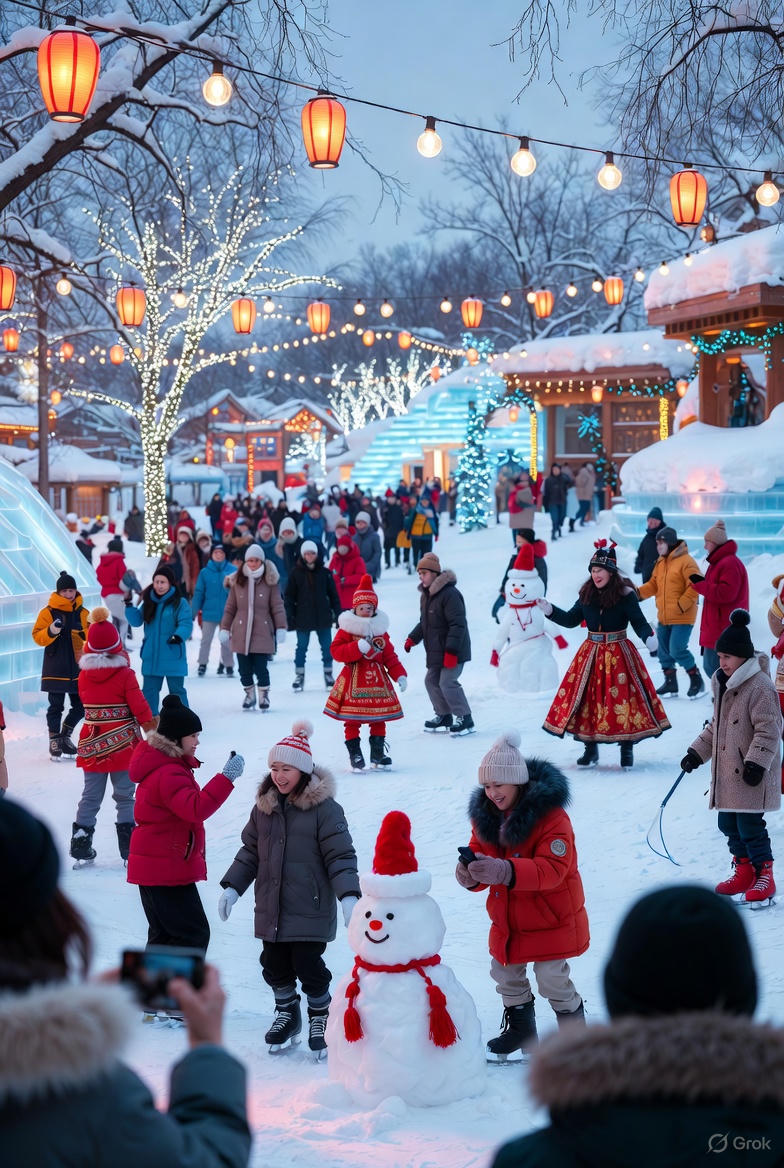
Winter unites the world in festivals of light, snow, and community. Here are highlights spanning countries:
•December 21, 2025: Winter Solstice — Celebrated globally; ancient sites like Stonehenge align with the Sun. In Scandinavia, bonfires and feasts mark the return of light.
•December 25: Christmas — Lights, trees, and gatherings in Europe, Americas, and beyond.
•Late December–Early January: New Year's Eve — Fireworks worldwide, from Sydney to Times Square.
•January 2026: Harbin Ice and Snow Sculpture Festival (China) — Massive illuminated ice artworks draw millions.
•January–February: Chinese New Year (Lunar New Year) — Starts late January/early February 2026; parades and lanterns in Asia and diaspora communities.
•February: Carnival — Vibrant in Venice (Italy), Rio (Brazil), and beyond—masks, music, and parades before Lent.
•Other gems → Saint Paul Winter Carnival (USA), Sapporo Snow Festival (Japan), and potential aurora-viewing in northern countries.
This Winter 2025, TXTWRK Community, let's embrace the season: layer up, stay active, seek light (literal and figurative), and connect through shared traditions. What's your favorite way to beat the winter chill? Share below!
Stay warm and wonderful! ❄️✨
Read More



COMMUNITY
People